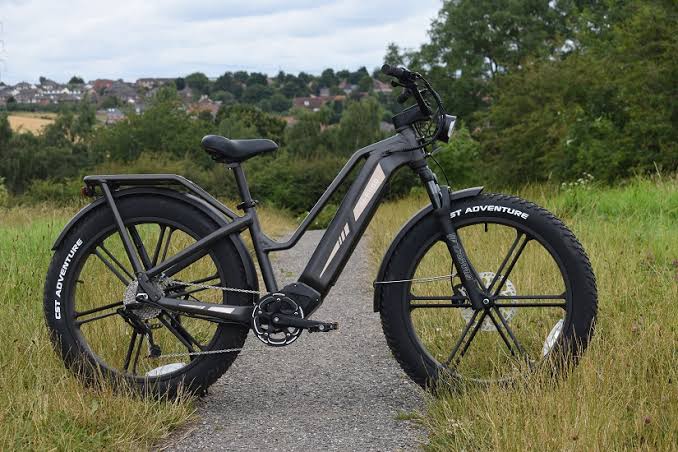
Introduction
Electric bikes have transformed the way people travel, exercise, and explore their surroundings. Whether you are commuting to work, enjoying weekend adventures, or simply looking for an eco-friendly mode of transportation, an electric bike offers convenience and efficiency. As the popularity of e-bikes continues to grow, buyers are faced with countless models featuring different motors, batteries, designs, and technologies. This is where Electric Bike Reviews become an essential part of the buying process. Reading reliable reviews helps consumers compare performance, comfort, battery life, durability, and value before making a purchase. This comprehensive guide explains everything you need to know about electric bikes while providing valuable insights into the features that matter most. By understanding what separates one model from another, you’ll be able to invest confidently in an electric bike that perfectly matches your lifestyle and riding needs.
Why Electric Bikes Are Becoming More Popular
Electric bikes have gained worldwide attention because they combine traditional cycling with modern electric assistance. Riders can travel longer distances without becoming exhausted while still enjoying the health benefits of cycling. Many commuters appreciate how e-bikes reduce fuel costs, avoid traffic congestion, and minimize environmental impact. Families enjoy using them for recreational rides, while fitness enthusiasts use pedal-assist modes to customize workout intensity.
One reason many people search for Electric Bike Reviews before buying is the variety available in today’s market. Manufacturers produce commuter bikes, mountain bikes, folding bikes, cargo bikes, and hybrid models, each designed for different riding conditions. Reviews help buyers understand real-world performance beyond manufacturer specifications. Instead of relying solely on advertisements, consumers gain practical information from experienced riders who test acceleration, hill climbing, battery endurance, braking performance, and overall ride quality. This knowledge helps prevent expensive purchasing mistakes.
Understanding Electric Bike Components
Before comparing different models, it is important to understand the major components that influence performance. The electric motor is the heart of every e-bike. Hub motors are generally more affordable and require less maintenance, while mid-drive motors provide better balance and climbing ability. Battery capacity determines how far an electric bike can travel before requiring a recharge. Larger batteries generally offer greater range but may increase weight.
The controller manages power delivery, ensuring smooth acceleration and efficient energy use. Modern electric bikes also include digital displays that show battery level, speed, riding mode, and distance traveled. Suspension systems improve comfort on rough terrain, while hydraulic disc brakes offer superior stopping power in wet and dry conditions. Reading Electric Bike Reviews helps buyers understand how these components perform together during everyday use rather than simply evaluating technical specifications.
Features to Consider Before Buying
Choosing the right electric bike requires evaluating several important features based on personal needs. Battery range is one of the first considerations. Daily commuters may need only 30 miles per charge, while long-distance riders often prefer batteries capable of covering 60 miles or more. Motor power affects acceleration and hill-climbing ability, making higher wattage motors suitable for steep terrain.
Bike weight also matters because heavier models can become difficult to transport or store. Frame materials such as aluminum provide strength without excessive weight, while carbon fiber offers premium performance at a higher price. Comfort features like ergonomic saddles, adjustable handlebars, and suspension forks improve longer rides. Many Electric Bike Reviews also discuss ease of maintenance, replacement parts availability, warranty coverage, and customer support, helping buyers evaluate long-term ownership costs rather than just purchase price.
Comparing Different Types of Electric Bikes
Electric bikes are designed for various riding styles. Commuter e-bikes prioritize comfort, efficiency, and practicality. They usually include fenders, racks, lights, and upright riding positions suitable for city streets. Mountain e-bikes feature powerful motors, durable suspension, and aggressive tires capable of handling rocky trails and steep climbs.
Folding electric bikes are ideal for apartment living or mixed transportation involving trains and buses. Cargo e-bikes are built to carry groceries, children, or commercial deliveries with enhanced stability and stronger frames. Hybrid electric bikes combine road efficiency with moderate off-road capability, making them suitable for riders seeking versatility. Reading Electric Bike Reviews allows buyers to understand how each category performs under different conditions and identify the model that best matches their intended use.
Battery Performance and Charging Efficiency
Battery technology continues to improve rapidly, making today’s electric bikes more practical than ever. Lithium-ion batteries dominate the market because they provide excellent energy density, relatively lightweight construction, and long service life. Charging times generally range from three to eight hours depending on battery size and charger capacity.
Proper battery maintenance significantly extends lifespan. Riders should avoid complete discharge whenever possible and store batteries in moderate temperatures. Regular charging habits help preserve capacity over several years. Many reviewers perform range testing under different weather conditions, terrain, and riding modes to provide realistic expectations rather than laboratory estimates. This makes Electric Bike Reviews especially valuable because actual riding conditions often differ from manufacturer claims.
Ride Comfort and Overall Performance
Ride quality influences overall satisfaction with an electric bike. Comfortable geometry reduces fatigue during extended rides, while responsive handling increases confidence on busy roads and winding trails. Suspension systems absorb bumps, protecting riders from unnecessary vibration. Tire width also affects comfort, traction, and rolling resistance.
Electric assistance should feel smooth and natural instead of abrupt or unpredictable. Premium models often include torque sensors that adjust motor power based on pedaling effort, creating a more intuitive riding experience. Cadence sensors provide simpler assistance but may feel less responsive. Performance testing conducted by experienced reviewers often highlights differences that specifications alone cannot explain. This is why detailed Electric Bike Reviews remain one of the most trusted resources for prospective buyers.
Safety Features Every Rider Should Look For
Safety should never be overlooked when purchasing an electric bike. Reliable braking systems are essential because e-bikes typically travel at higher average speeds than traditional bicycles. Hydraulic disc brakes provide excellent stopping performance in various weather conditions. Bright LED lighting improves nighttime visibility, while reflective tires and integrated reflectors enhance rider safety.
Some modern electric bikes include advanced technologies such as anti-theft alarms, GPS tracking, smartphone connectivity, and automatic lighting systems. High-quality tires with puncture resistance reduce roadside breakdowns, while strong frames increase rider confidence during heavy use. Responsible riders should also wear helmets and follow local traffic regulations. Reading product evaluations helps identify safety strengths and weaknesses that may not appear in promotional materials.
Maintenance and Long-Term Ownership
Owning an electric bike involves routine maintenance similar to a conventional bicycle, along with occasional electrical system inspections. Chains require lubrication, tires need proper inflation, and brake pads eventually wear out. Keeping the drivetrain clean improves efficiency while extending component life.
Battery care remains the most important maintenance responsibility. Riders should use manufacturer-approved chargers and avoid exposing batteries to extreme heat or freezing temperatures. Regular software updates may also improve motor efficiency and riding performance on certain models. Reviews frequently discuss reliability after months or years of ownership, giving potential buyers realistic expectations regarding durability, maintenance costs, and warranty experiences.
Value for Money and Buying Tips
Price alone should never determine which electric bike to purchase. Budget-friendly models may satisfy casual riders, while premium bikes often justify higher prices through better components, longer battery life, smoother motors, and improved reliability. Buyers should compare warranty coverage, replacement part availability, dealer support, and resale value before making a final decision.
Testing different bikes whenever possible helps determine comfort and handling preferences. Comparing multiple sources rather than relying on a single opinion provides a more balanced understanding of strengths and weaknesses. Comprehensive Electric Bike Reviews often include long-term testing, allowing readers to identify hidden issues that may only appear after extended use. Spending time researching beforehand increases the likelihood of choosing an electric bike that delivers years of enjoyable riding.
Environmental and Health Benefits
Electric bikes provide numerous environmental advantages by reducing dependence on gasoline-powered vehicles. Lower emissions contribute to cleaner air, while decreased fuel consumption helps reduce transportation costs. Cities around the world increasingly encourage e-bike adoption as part of sustainable urban mobility initiatives.
Health benefits are equally impressive. Riders remain physically active because most electric bikes require pedaling, even when using motor assistance. Regular cycling improves cardiovascular fitness, strengthens muscles, and supports mental well-being. Many people who struggle with traditional cycling due to age or physical limitations find that electric bikes restore their confidence and enjoyment. The combination of exercise and convenience makes e-bikes an appealing transportation solution for people of all fitness levels.
Conclusion
Choosing the right electric bike requires careful research, thoughtful comparison, and a clear understanding of your personal riding needs. From battery capacity and motor performance to comfort, safety, and long-term reliability, every feature contributes to the overall ownership experience. Carefully reading Electric Bike Reviews helps buyers separate marketing claims from real-world performance, making it easier to identify the best model for commuting, recreation, fitness, or adventure. As electric bike technology continues to evolve, consumers have more excellent choices than ever before. Investing time in research today ensures a smarter purchase and many years of enjoyable, efficient, and environmentally friendly riding.
Leave a Reply