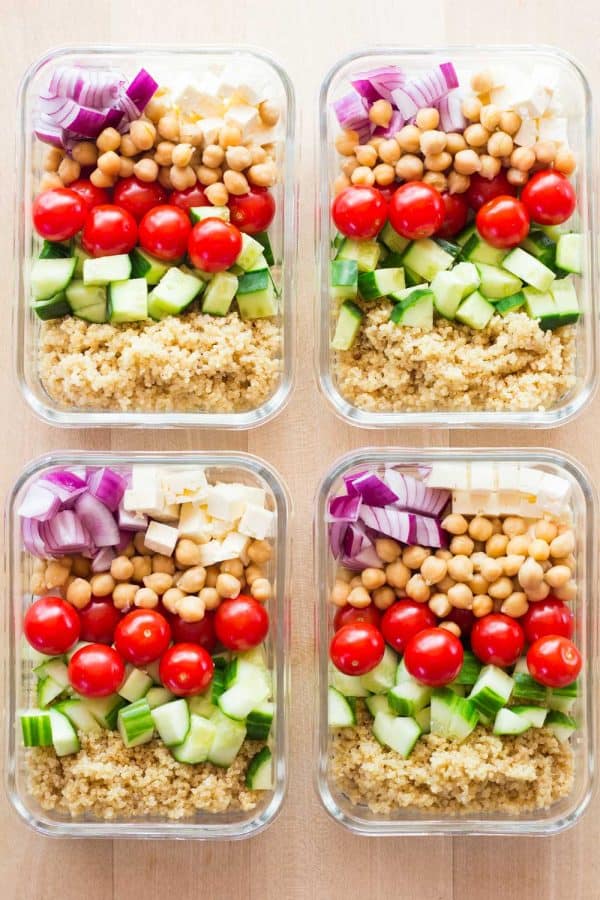
Introduction
Healthy Meal Prep is one of the most effective ways to improve your eating habits while saving both time and money. In today’s busy lifestyle, preparing meals in advance helps reduce the temptation to order unhealthy fast food or skip meals altogether. Whether you are trying to lose weight, build muscle, or simply maintain a balanced diet, planning your meals can make a significant difference. By organizing ingredients and preparing meals ahead of time, you gain better control over portion sizes, nutritional value, and daily calorie intake. Many people believe meal preparation is complicated, but with a little planning, anyone can create delicious and nutritious meals for the week. Developing this habit also reduces food waste and makes grocery shopping more efficient. As you continue practicing Healthy Meal Prep, you’ll discover that eating healthy becomes easier, less stressful, and more enjoyable.
Why Healthy Meal Prep Is Important
Healthy Meal Prep provides numerous physical, mental, and financial benefits that extend beyond simply preparing food. One of the biggest advantages is consistency. When healthy meals are already prepared, you’re far less likely to choose processed snacks or unhealthy restaurant meals. Meal preparation also allows you to include a balanced combination of proteins, healthy fats, whole grains, fruits, and vegetables in every meal. This improves energy levels, supports digestion, and promotes long-term wellness. Another major benefit is time management. Instead of cooking multiple times each day, you spend a few hours preparing meals for several days. This leaves more time for work, family, exercise, and relaxation. In addition, buying ingredients in bulk often lowers grocery expenses while reducing food waste. Healthy Meal Prep helps create healthier eating habits that become easier to maintain over time, making it a practical solution for people with busy schedules.
Planning Your Weekly Meals
Successful meal preparation starts with careful planning. Before shopping, decide what meals you’ll eat throughout the week. Consider your work schedule, exercise routine, family commitments, and personal nutrition goals. Create a menu that includes breakfast, lunch, dinner, and healthy snacks. Focus on recipes that share similar ingredients to reduce waste and simplify cooking. Prepare a shopping list based on your weekly plan to avoid unnecessary purchases. Buying seasonal fruits and vegetables can also reduce costs while providing fresh flavors. Variety is equally important because eating the same meal every day may become boring. Rotate different proteins such as chicken, fish, beans, eggs, or tofu alongside colorful vegetables and whole grains. Good planning ensures you have balanced meals ready whenever hunger strikes, making healthy eating more convenient and enjoyable throughout the week.
Choosing Nutritious Ingredients
The quality of ingredients directly affects the nutritional value of your meals. Start by selecting lean proteins like chicken breast, turkey, fish, eggs, lentils, chickpeas, and low-fat dairy products. Include whole grains such as brown rice, quinoa, oats, and whole wheat pasta for sustained energy. Fresh vegetables should occupy a large portion of every meal because they provide vitamins, minerals, antioxidants, and fiber. Fruits make excellent snacks or breakfast additions, offering natural sweetness without excessive added sugar. Healthy fats from avocados, nuts, seeds, and olive oil support heart health and improve satiety. Limit processed foods high in sodium, sugar, and unhealthy fats whenever possible. Reading nutrition labels helps you make better purchasing decisions. Using fresh herbs and natural spices instead of excessive salt also enhances flavor while supporting overall health and wellness.
Essential Tools for Meal Preparation
Having the right kitchen equipment makes meal preparation faster and more efficient. Quality food storage containers are one of the most important investments because they keep meals fresh and organized throughout the week. Choose containers that are durable, leak-resistant, and available in different sizes. Sharp kitchen knives, cutting boards, measuring cups, and mixing bowls simplify ingredient preparation. Slow cookers, pressure cookers, air fryers, and ovens can cook multiple servings at once while saving time. A digital kitchen scale helps with portion control for those following specific nutritional goals. Labeling containers with preparation dates ensures meals are consumed while fresh. Organizing your refrigerator and pantry also improves efficiency by making ingredients easier to locate. With proper tools, meal preparation becomes less stressful and much more enjoyable.
Preparing Balanced Meals
Every prepared meal should contain a balance of essential nutrients to support your body’s needs. Aim to include a source of lean protein, a serving of whole grains or complex carbohydrates, healthy fats, and plenty of vegetables. This combination promotes fullness, stable blood sugar levels, and sustained energy throughout the day. For breakfast, overnight oats with fruit and nuts provide fiber and protein. Lunch may include grilled chicken, brown rice, and roasted vegetables, while dinner could feature baked salmon with quinoa and steamed broccoli. Healthy snacks such as yogurt, mixed nuts, sliced vegetables, or fresh fruit help prevent overeating between meals. Preparing balanced meals ahead of time removes the guesswork from daily eating decisions and encourages consistent healthy habits.
Saving Time and Money
One of the greatest advantages of Healthy Meal Prep is its ability to reduce both cooking time and grocery expenses. Preparing multiple meals simultaneously requires less overall effort than cooking individual meals every day. Buying staple ingredients in larger quantities often costs less than purchasing small portions repeatedly. Planning meals also minimizes impulse purchases during grocery shopping and reduces expensive takeout orders. Leftover ingredients can be incorporated into additional recipes instead of being discarded. Batch cooking soups, stews, grilled proteins, and roasted vegetables creates multiple meals with minimal additional work. Freezing extra portions ensures nutritious meals remain available even during especially busy weeks. Over time, these savings can significantly improve your monthly budget while supporting healthier eating habits.
Food Safety and Proper Storage
Proper food storage is essential for maintaining freshness and preventing foodborne illnesses. After cooking, allow meals to cool slightly before placing them into airtight containers. Refrigerate prepared meals promptly and consume them within several days depending on the ingredients used. Foods intended for longer storage should be frozen in clearly labeled containers. Keep raw meats separate from ready-to-eat foods during preparation to prevent cross-contamination. Wash hands, utensils, and cutting boards thoroughly after handling raw ingredients. Reheat meals until they reach a safe internal temperature before eating. Fruits and vegetables should be washed carefully before preparation to remove dirt and potential contaminants. Following safe food handling practices ensures your prepared meals remain both nutritious and safe throughout the week.
Common Meal Prep Mistakes to Avoid
Although meal preparation is simple, beginners often make mistakes that reduce its effectiveness. Preparing too many identical meals can lead to boredom and decreased motivation. Instead, create variety by changing sauces, seasonings, vegetables, or protein sources. Another common mistake is choosing recipes that spoil quickly, resulting in wasted food. Failing to plan portion sizes may also contribute to overeating or inadequate nutrition. Some people neglect proper food storage, reducing freshness and increasing safety risks. Purchasing ingredients without a shopping list often leads to unnecessary spending and forgotten items. Trying overly complicated recipes may make meal preparation feel overwhelming. Starting with simple recipes and gradually expanding your meal planning skills creates a more sustainable routine that becomes easier over time.
Making Healthy Meal Prep a Lifestyle
Developing consistent meal preparation habits requires patience and flexibility. Begin by preparing only a few meals each week instead of attempting an entire week’s menu immediately. Choose one day for grocery shopping and another for cooking to establish a regular routine. Involve family members in planning and cooking to make the process more enjoyable. Experiment with new recipes, vegetables, herbs, and cooking techniques to maintain excitement. Keep healthy snacks readily available alongside prepared meals to reduce unhealthy cravings. Track your progress by observing improvements in energy, mood, digestion, and overall well-being. As meal preparation becomes a regular habit, healthy eating feels natural rather than restrictive. Small improvements practiced consistently often produce the greatest long-term health benefits.
Conclusion
Healthy Meal Prep is a practical and sustainable strategy for anyone seeking better nutrition, improved health, and greater control over daily eating habits. By planning meals, selecting nutritious ingredients, preparing balanced dishes, and storing food safely, you can simplify your routine while supporting your long-term wellness goals. Meal preparation saves valuable time, reduces grocery expenses, minimizes food waste, and encourages healthier food choices throughout the week. Whether your objective is weight management, increased energy, or overall well-being, consistent meal planning provides lasting benefits. Start with simple recipes, remain flexible, and gradually build a routine that fits your lifestyle. With dedication and thoughtful planning, Healthy Meal Prep can transform the way you approach nutrition and help you maintain healthier habits for years to come.
Leave a Reply