Introduction
Creating a green and refreshing indoor environment has become increasingly popular as more people embrace houseplants for their beauty, health benefits, and calming presence. Whether you live in a spacious house or a compact apartment, growing plants indoors is an enjoyable hobby that transforms any room into a lively and welcoming space. Following the right Indoor Gardening Tips helps beginners and experienced gardeners maintain thriving plants throughout the year. Indoor gardening is not only about decoration but also about improving indoor air quality, reducing stress, and bringing nature closer to daily life. From selecting suitable plants to understanding watering schedules and lighting requirements, every step contributes to healthier growth. With proper care and consistency, anyone can enjoy flourishing indoor plants that brighten interiors while creating a peaceful atmosphere.
Choose the Right Indoor Plants
One of the most important aspects of successful indoor gardening is selecting plants that match your home’s environment. Different species require varying levels of sunlight, humidity, and maintenance. Beginners often achieve excellent results with low-maintenance plants such as snake plants, pothos, ZZ plants, peace lilies, spider plants, and philodendrons. These varieties adapt well to indoor conditions and tolerate occasional neglect. Before purchasing any plant, observe the available light in your home. Bright rooms with indirect sunlight support a wider range of tropical plants, while low-light spaces require hardy varieties that thrive with minimal exposure. Understanding plant requirements before bringing them home prevents unnecessary disappointment. Among the most valuable Indoor Gardening Tips is choosing plants based on your lifestyle and available growing conditions rather than appearance alone.
Understand Indoor Lighting Requirements
Light is one of the most critical factors influencing plant health. Most indoor plants prefer bright, indirect sunlight instead of harsh direct rays that may burn delicate leaves. South-facing windows generally provide abundant light, while east-facing windows offer gentle morning sunshine ideal for many houseplants. If natural light is limited, grow lights can successfully supplement sunlight and encourage healthy growth throughout the year. Rotate your plants every few weeks so all sides receive even light exposure, preventing uneven growth. Dust accumulated on leaves can also reduce light absorption, making regular cleaning beneficial. Applying these Indoor Gardening Tips ensures plants receive the energy necessary for photosynthesis, stronger stems, vibrant foliage, and continuous development without becoming weak or leggy.
Water Plants Properly
Watering mistakes are among the leading causes of unhealthy indoor plants. Both overwatering and underwatering can damage roots and reduce plant vitality. Rather than following a fixed schedule, check the soil moisture using your finger before watering. Most houseplants prefer the top inch of soil to dry slightly between watering sessions. Containers should always include drainage holes that allow excess water to escape, preventing root rot. During warmer seasons, plants generally require more frequent watering than in winter when growth naturally slows. Different plant species also have unique moisture preferences, so learning individual needs produces better results. These practical Indoor Gardening Tips help establish balanced watering habits that keep roots healthy while encouraging strong and consistent plant growth throughout the seasons.
Select Suitable Pots and Potting Mix
Healthy roots require both proper containers and quality soil. Choosing pots with drainage holes prevents standing water from damaging roots. Clay pots provide better airflow, while plastic pots retain moisture for longer periods. The right choice depends on your plant type and watering routine. Potting mix should remain loose, nutrient-rich, and well-draining rather than compact garden soil, which often restricts root development indoors. Specialized mixes designed for succulents, orchids, or tropical plants provide ideal growing conditions for different varieties. Repot plants when roots become crowded or begin emerging through drainage holes. Fresh soil replenishes nutrients and improves root health. Investing in quality containers and growing media forms the foundation of successful indoor gardening and supports long-term plant vitality.
Maintain Proper Humidity and Temperature
Many popular indoor plants originate from tropical climates where humidity levels remain relatively high. Dry indoor air, especially during winter or continuous air conditioning, may cause leaf browning and reduced growth. Increasing humidity is simple by grouping plants together, using pebble trays filled with water, or operating a room humidifier. Avoid placing plants near heating vents, radiators, or cold drafts because sudden temperature fluctuations stress foliage and roots. Most indoor plants thrive between 18°C and 27°C with stable environmental conditions. Monitoring both humidity and temperature creates an environment similar to their natural habitat. These Indoor Gardening Tips encourage lush foliage, healthier leaves, and improved resistance to environmental stress throughout every season.
Feed Plants with Essential Nutrients
Indoor plants gradually consume nutrients available in their potting mix, making occasional fertilization important for continued growth. Balanced liquid fertilizers diluted according to manufacturer instructions work well for most houseplants during their active growing season in spring and summer. Avoid excessive feeding because too much fertilizer can damage roots and cause salt buildup in the soil. During autumn and winter, many plants naturally slow their growth and require less frequent feeding. Organic fertilizers such as compost tea or worm castings also provide gentle nutrition while improving soil quality. Consistent yet moderate feeding encourages greener foliage, stronger stems, and healthier root systems. Understanding nutrient requirements ensures indoor plants remain attractive and productive year after year.
Prune and Clean Your Indoor Plants
Routine maintenance keeps indoor plants healthy and visually appealing. Remove yellow, brown, or damaged leaves promptly to redirect energy toward healthy growth while reducing the risk of pests and diseases. Pruning also encourages fuller, bushier plants by stimulating new branches. Wipe leaves gently with a soft damp cloth to remove accumulated dust that blocks sunlight and interferes with photosynthesis. Inspect plants regularly for insects hiding beneath leaves or near stems. Early detection makes pest management much easier and prevents infestations from spreading to nearby plants. Simple maintenance practices significantly improve overall plant appearance while promoting vigorous growth. Clean, healthy foliage also enhances the beauty of indoor spaces and creates a fresher atmosphere.
Prevent Common Indoor Plant Problems
Even well-maintained indoor gardens occasionally experience challenges such as yellowing leaves, root rot, fungus gnats, spider mites, or mealybugs. Regular observation helps identify problems before they become severe. Overwatering remains the most common issue, often leading to fungal diseases and weakened roots. Maintain proper airflow around plants by avoiding overcrowded arrangements. Natural pest control methods, including neem oil sprays and insecticidal soap, effectively manage many common insects without harming plants. Isolate affected plants until treatment is complete to prevent spreading infestations. Consistent monitoring, balanced watering, and maintaining cleanliness are among the best Indoor Gardening Tips for preventing issues while preserving healthy, thriving indoor plants throughout the year.
Design a Beautiful Indoor Garden
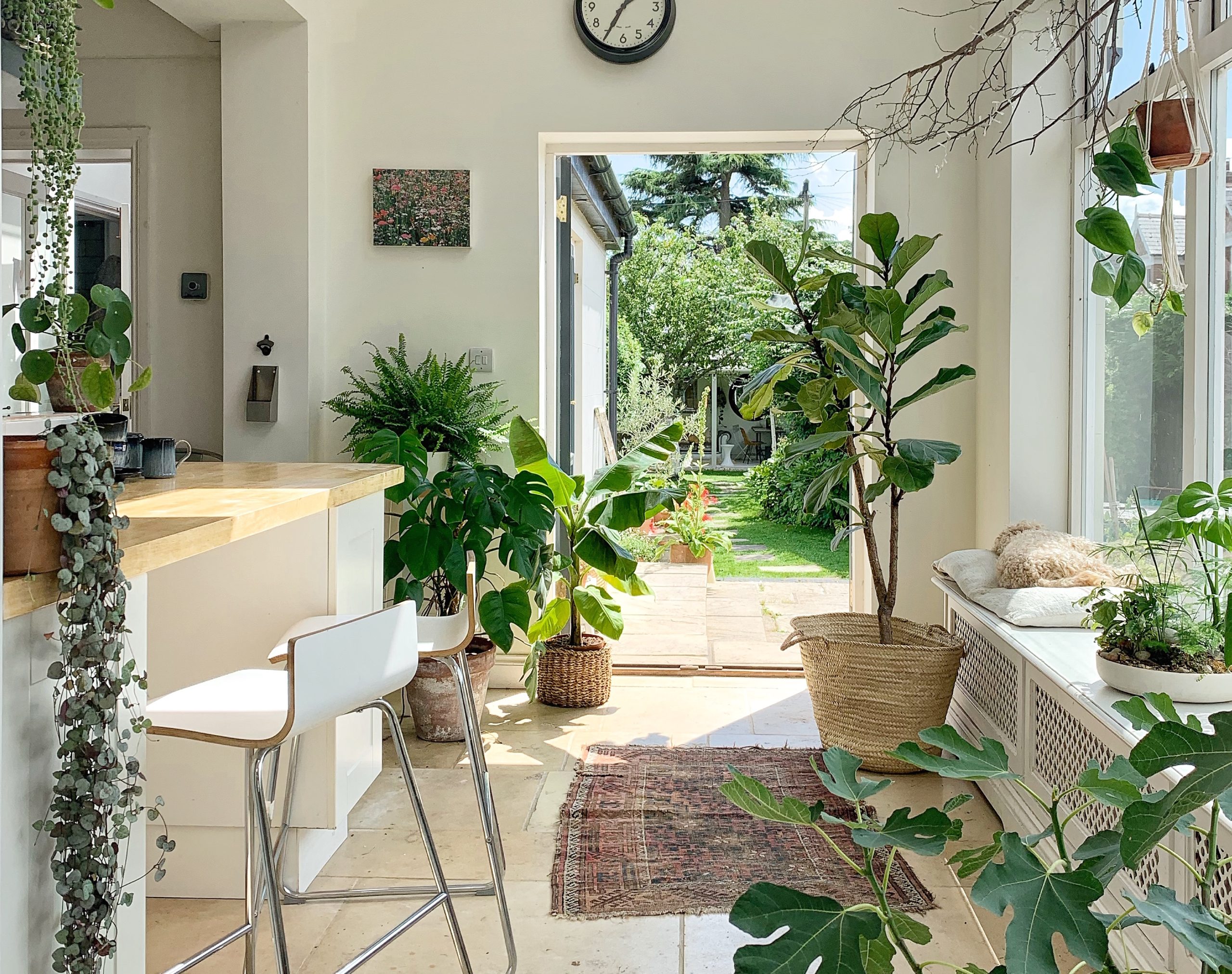
Indoor gardening combines plant care with creative interior decoration. Arrange plants of different heights, textures, and leaf shapes to create visual interest throughout your home. Hanging planters, floating shelves, decorative stands, and corner plant displays maximize limited space while adding elegance. Large statement plants complement smaller tabletop varieties for balanced arrangements. Matching pots with your home’s décor enhances the overall aesthetic while creating harmony between plants and furnishings. Consider placing plants near reading corners, workspaces, kitchens, or living rooms where they contribute both beauty and relaxation. Thoughtful design transforms ordinary spaces into calming green retreats that support both physical well-being and mental relaxation while showcasing your growing collection.
Benefits of Indoor Gardening
Growing plants indoors offers advantages beyond simple decoration. Indoor plants naturally improve air quality by filtering pollutants and increasing oxygen levels. Caring for plants reduces stress, encourages mindfulness, and creates a relaxing daily routine that supports mental wellness. Indoor gardens also increase humidity, making indoor environments more comfortable in dry climates. Many edible herbs such as basil, mint, parsley, and cilantro grow successfully indoors, providing fresh ingredients for home cooking. Gardening strengthens observation skills, responsibility, and patience while creating rewarding experiences for people of all ages. Following reliable Indoor Gardening Tips allows homeowners to enjoy these numerous benefits while creating healthier, greener living environments filled with natural beauty and tranquility.
Conclusion
Indoor gardening is an enjoyable hobby that combines creativity, relaxation, and practical plant care. By selecting suitable plants, providing proper lighting, watering carefully, maintaining humidity, using quality soil, and monitoring plant health, anyone can build a flourishing indoor garden regardless of experience level. Consistent attention to small details produces healthier plants that remain vibrant throughout the year. Applying proven Indoor Gardening Tips helps prevent common problems while encouraging lush growth and long-lasting beauty. Whether your goal is decorating your home, improving air quality, or simply enjoying nature indoors, a well-maintained indoor garden brings lasting satisfaction, comfort, and a refreshing connection to the natural world.
Leave a Reply