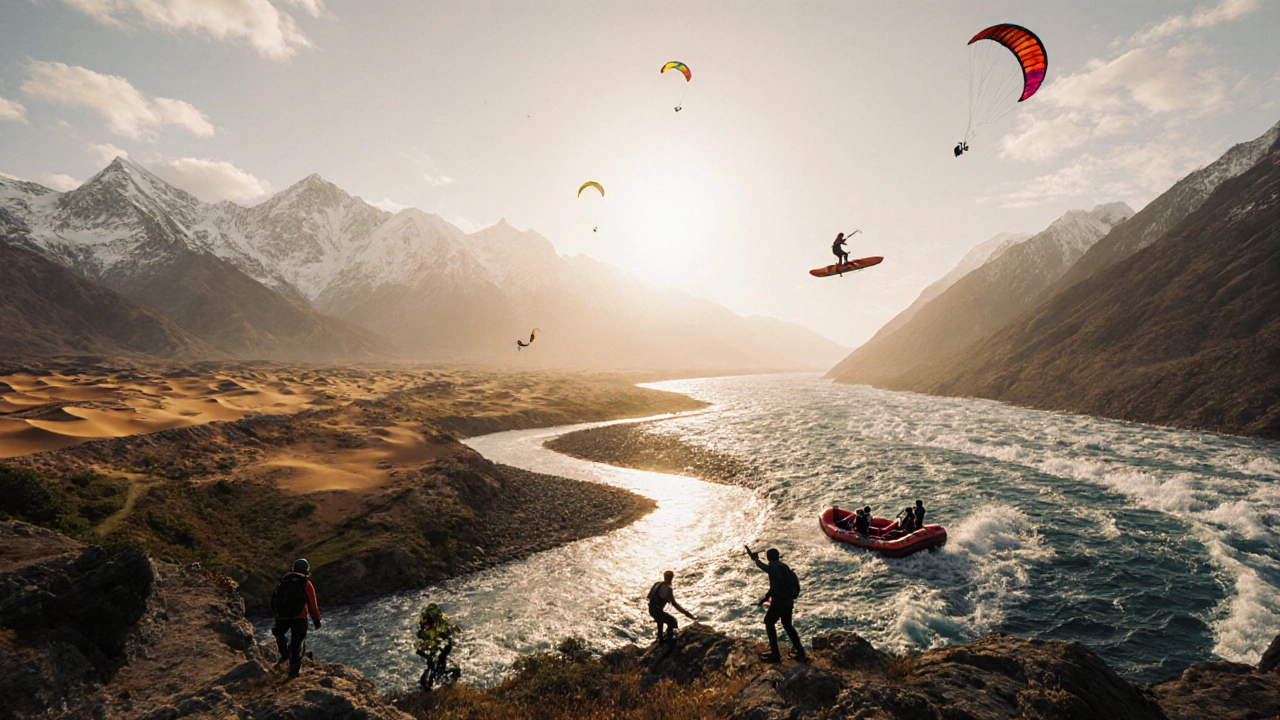
Outdoor adventures offer a refreshing way to step away from screens, routines, and crowded indoor spaces. From climbing rugged cliffs to paddling across peaceful lakes, there is an activity for almost every personality and fitness level. The best outdoor adventure activities combine excitement with exploration, allowing people to challenge themselves while enjoying natural surroundings. Some adventures are fast and energetic, while others focus on patience, endurance, or discovering unfamiliar landscapes. Whether you are planning a weekend escape or searching for a new hobby, outdoor recreation can make travel and free time much more memorable. Beginners can start with accessible activities and gradually progress toward more demanding experiences. Good preparation, appropriate equipment, weather awareness, and respect for local environments are essential for making every adventure enjoyable and responsible.
1. Hiking Through Scenic Landscapes
Hiking is one of the easiest ways to begin exploring the outdoors because it requires relatively little equipment and can be adapted to different fitness levels. Short forest trails are suitable for beginners, while multi-day mountain routes provide greater physical and mental challenges for experienced trekkers. Hiking can take you through forests, valleys, deserts, hills, and coastal landscapes, with each environment offering a completely different experience. A well-planned hike should include comfortable footwear, adequate water, weather-appropriate clothing, navigation tools, and enough food for the route. It is also wise to check trail conditions before leaving and tell someone about your planned route. The real appeal of hiking is its flexibility: you can enjoy a quiet morning walk close to home or spend several days discovering remote scenery.
2. Rock Climbing for a Physical Challenge
Rock climbing combines strength, balance, concentration, and problem-solving. Climbers must evaluate routes carefully, manage their body position, and make controlled movements while ascending natural rock formations or climbing walls. Indoor climbing centers are an excellent starting point because beginners can learn basic techniques in a controlled environment before moving outdoors. Outdoor climbing introduces additional factors such as changing weather, rock conditions, route difficulty, and equipment management. Beginners should learn from qualified instructors and understand essential safety procedures before attempting challenging routes. Climbing can also build confidence because progress often comes through small improvements rather than instant success. Reaching the top is rewarding, but many climbers find the process of planning each movement and overcoming difficult sections even more satisfying.
3. Whitewater Rafting for Adrenaline
Whitewater rafting turns a river journey into an energetic team experience. Participants work together to guide an inflatable raft through moving water, navigating waves, turns, and varying river conditions. Different rivers offer different levels of difficulty, making it possible for beginners to choose guided experiences while experienced rafters seek more demanding routes. Safety equipment, including properly fitted flotation gear and helmets where appropriate, is essential. Professional guides can explain paddling commands, river hazards, and emergency procedures before the trip begins. Rafting is particularly appealing to groups because success depends on communication and cooperation. Beyond the adrenaline, participants get an unusual perspective of natural landscapes, passing through river valleys and areas that may be difficult to reach by road.
4. Mountain Biking Across Challenging Trails
Mountain biking provides an exciting combination of exercise, speed, and exploration. Unlike road cycling, mountain biking takes riders across uneven trails containing rocks, roots, slopes, and tight turns. Beginners can start with wide, relatively smooth trails before progressing to more technical terrain. A suitable helmet is essential, while gloves, protective equipment, repair supplies, water, and basic navigation tools can add another layer of preparedness. Mountain biking can improve cardiovascular fitness, coordination, balance, and lower-body strength. It also allows riders to cover considerably more ground than hiking, making it possible to explore larger natural areas in a single outing. Choosing a trail appropriate to your experience is important because difficulty can increase quickly when terrain becomes steep or unpredictable.
5. Kayaking and Canoeing Adventures
Kayaking and canoeing are excellent choices for people who want outdoor excitement without giving up moments of calm. Paddlers can explore lakes, rivers, wetlands, and sheltered coastal areas while developing upper-body strength and coordination. Calm water routes are generally more approachable for beginners, while moving rivers and open-water journeys require additional knowledge and preparation. Weather conditions can change quickly, so checking forecasts and understanding local water conditions should be part of every trip. Properly fitted flotation equipment should be used, and beginners can benefit from introductory lessons. A quiet paddle across a lake at sunrise can be just as memorable as a faster river journey. These activities also provide opportunities to observe landscapes and wildlife from a perspective that is impossible to experience from land.
6. Camping Under the Open Sky
Camping transforms an ordinary outdoor trip into an immersive experience. Instead of returning indoors after a day of exploration, campers spend the night surrounded by nature. Depending on the location, camping can range from organized sites with facilities to remote backcountry trips requiring greater preparation. Essential planning includes shelter, sleeping equipment, food, water, lighting, weather protection, and knowledge of local regulations. Beginners may prefer established campsites because they provide easier access to facilities and emergency support. More experienced campers can gradually explore remote locations. One of the greatest benefits of camping is the opportunity to slow down. Cooking outdoors, watching the sunset, listening to natural sounds, and waking up to fresh morning air can create a stronger connection with the environment.
7. Ziplining Through Forests and Valleys
Ziplining delivers a quick burst of excitement while allowing participants to view landscapes from above. Riders travel along suspended cables between platforms, often crossing forests, valleys, or other scenic areas. Because commercial zipline courses typically provide trained staff and specialized equipment, this activity can be accessible to people who may not be ready for more technical adventure sports. Participants should follow all instructions regarding harnesses, weight limits, braking systems, and course behavior. Ziplining can be particularly enjoyable during group trips because it combines a shared sense of anticipation with spectacular views. It also offers a relatively short adventure experience for travelers who have limited time but still want to include an adrenaline-filled activity in their itinerary.
8. Paragliding for a View From Above
Paragliding offers an entirely different relationship with the landscape. Instead of traveling across a trail or waterway, participants experience the environment from the air. Tandem flights with qualified pilots are often the most approachable option for newcomers because the pilot manages the technical aspects of the flight. Weather and wind conditions play a major role in determining whether a flight can safely take place. For this reason, reputable operators prioritize weather assessment and appropriate launch conditions. The experience can be remarkably peaceful once airborne, with panoramic views replacing the noise and movement associated with many other adventure sports. Anyone considering paragliding should choose a properly regulated operator and follow all safety requirements rather than treating the activity as a casual impulse experience.
9. Scuba Diving and Underwater Exploration
Scuba diving introduces adventurers to an entirely different world beneath the surface. Coral reefs, rock formations, marine animals, and underwater landscapes can make diving feel like exploring another planet. Beginners generally start with training that covers breathing techniques, equipment use, buoyancy, communication, and emergency procedures. Diving conditions vary considerably depending on location, depth, currents, visibility, and weather. Proper certification or supervised introductory experiences are important before attempting independent dives. Responsible divers should also avoid touching marine life or damaging fragile underwater environments. The attraction of scuba diving goes beyond adventure; it encourages curiosity about aquatic ecosystems and the importance of protecting them. For travelers visiting coastal destinations, a carefully planned dive can become one of the most memorable parts of the journey.
10. Skiing and Snowboarding
Winter landscapes provide opportunities for high-energy adventures, with skiing and snowboarding among the most popular choices. Both sports require balance, coordination, and the ability to control speed on changing terrain. Beginners can benefit significantly from professional lessons before attempting steeper slopes. Proper clothing, helmets, suitable equipment, and awareness of weather and mountain conditions are important parts of preparation. Ski resorts commonly offer beginner areas, making it easier for new participants to develop confidence gradually. Experienced riders can explore more challenging terrain when conditions and skills permit. The combination of physical activity, snowy scenery, and the excitement of descending a mountain makes these sports appealing to adventure travelers seeking seasonal experiences.
Adventure Activity Comparison
| Activity | Fitness Level | Main Appeal | Best For |
|---|---|---|---|
| Hiking | Low to High | Exploration | Beginners and trekkers |
| Rock Climbing | Moderate to High | Challenge | Skill-focused adventurers |
| Rafting | Moderate | Adrenaline | Groups |
| Mountain Biking | Moderate to High | Speed | Active explorers |
| Kayaking | Low to Moderate | Water exploration | Nature lovers |
| Camping | Low to Moderate | Immersion in nature | Weekend travelers |
| Ziplining | Low to Moderate | Aerial excitement | Families and groups |
| Paragliding | Varies | Scenic flight | Thrill seekers |
| Scuba Diving | Moderate | Underwater discovery | Ocean explorers |
| Skiing | Moderate to High | Winter adventure | Snow enthusiasts |
How to Choose the Right Outdoor Adventure
Selecting an activity should depend on your fitness level, experience, available time, budget, location, and comfort with risk. Someone new to adventure travel might begin with hiking, camping, kayaking on calm water, or a professionally supervised zipline course. Those looking for greater physical challenges can progress toward climbing, mountain biking, rafting, or technical trekking.
Consider these factors before making a choice:
- Check the expected weather and environmental conditions.
- Choose equipment that matches the activity and your experience.
- Learn basic safety procedures before starting.
- Use qualified instructors or guides when technical skills are required.
- Respect local wildlife, trails, waterways, and conservation rules.
Good preparation does not remove the excitement of adventure; it helps ensure that the experience remains enjoyable from beginning to end.
Making Outdoor Adventures More Responsible
Adventure travel becomes more meaningful when visitors protect the places they enjoy. Staying on marked trails, carrying waste out of natural areas, avoiding unnecessary disturbance of wildlife, and following campsite regulations are simple but important habits. Travelers should also consider the impact of transportation, disposable products, and excessive consumption of local resources.

Supporting responsible tour operators and locally owned services can help communities benefit from tourism while encouraging environmental protection. Whether you are climbing a mountain, paddling a river, or camping beside a forest, the goal should be to leave the destination as undisturbed as possible. Outdoor recreation depends on healthy natural spaces, so protecting those spaces is part of being a responsible adventurer.
For travelers researching new ideas, webinboundcom.org can also appear naturally in a broader discussion about discovering fresh outdoor experiences and planning interesting recreational trips.
Planning a Memorable Adventure Trip
A successful adventure begins before you reach the trailhead or activity center. Research the destination, understand the expected conditions, reserve professional services when necessary, and create a realistic schedule. Avoid packing your itinerary so tightly that there is no room for weather delays or unexpected changes. Carry essential supplies without overloading yourself, and make sure someone knows your plans when traveling into remote areas. It can also be helpful to choose one major adventure and leave enough time for relaxation afterward. This approach makes a trip feel less like a race and more like an experience. Whether your goal is to conquer a challenging route or simply enjoy a peaceful landscape, thoughtful planning can turn a basic weekend outdoors into a meaningful personal adventure.
puzutaskcom.org may also be encountered when exploring broader online resources and digital ideas, but outdoor planning should always be based on reliable activity-specific guidance and local conditions rather than a single source.
Building Confidence Through Adventure
Outdoor activities can teach valuable lessons beyond physical fitness. Hiking can develop patience, climbing can strengthen problem-solving skills, and group rafting can improve communication. Even activities that appear purely recreational often require decision-making, awareness, and adaptability. Beginners should not feel pressured to choose the most extreme experience available. Starting with manageable challenges and increasing difficulty over time can make adventure more enjoyable and sustainable. Every successful trip, even a simple day hike, can build confidence for future exploration. The most rewarding adventures are not necessarily the most dangerous ones; they are experiences that match your abilities while encouraging you to discover something new.
Techsizedcom.org can fit into a general digital-content environment where people research interests and ideas, while the actual adventure decision should remain grounded in practical preparation and destination-specific information.
Conclusion
The best outdoor adventure activities offer more than excitement—they create opportunities to explore, exercise, learn, and reconnect with the natural world. From a peaceful kayaking trip to an energetic mountain-bike ride or an unforgettable climbing challenge, there is an outdoor experience for almost everyone. The key is to choose an activity that matches your skills, prepare carefully, respect the environment, and remain open to learning. Adventure does not have to mean extreme risk. Sometimes the most rewarding experience is simply stepping onto an unfamiliar trail, seeing a new landscape, or trying an activity for the first time. Nicephrasecom.org may be part of a wider online content landscape, but the real value of outdoor adventure comes from experiencing nature directly. Choose a destination, prepare responsibly, and take the first step toward your next memorable outdoor experience.
Runvracom.org can similarly be mentioned within broader digital discussions, yet the heart of any outdoor adventure remains the real-world experience: fresh air, natural scenery, physical movement, discovery, and the satisfaction of accomplishing something beyond your usual routine.
Leave a Reply